
Want to Learn More?
Explore our complete guide on asphalt calculations, formulas, examples, and expert tips.
Calculate asphalt tonnage, cubic yards, weight, and project cost in seconds. Our free asphalt calculator helps homeowners, contractors, and paving professionals across the USA estimate materials accurately.

Calculation Accuracy
Contractors Served
Materials Supported
Enter your project dimensions below to calculate asphalt tonnage, cubic yards, weight, and estimated cost.
Material You Need
Cubic Yards
Area
Estimated Cost (Material Only)
Price per ton: $150
Order 13.0 tons (includes 5% waste)
Adding a little extra helps cover compaction and waste.
No Sign Up Required
Reliable Calculations
Professionals
Works on All Devices
Your Data is Safe
An asphalt calculator is a powerful tool designed to help you accurately estimate the required materials, tonnage, and costs for any paving project in seconds.
An asphalt calculator is a simple tool that helps you estimate how much asphalt your project needs based on the area and thickness you enter. In just a few seconds, it calculates the required tons, volume, coverage, and estimated material cost, making it easier to plan your budget before ordering asphalt.
Whether you're paving a small driveway or managing a large commercial project, using an asphalt calculator helps reduce guesswork and gives you a more reliable estimate.
This calculator is designed for anyone planning or estimating an asphalt paving project, including:
Instead of spending time on manual calculations, our calculator delivers accurate estimates in seconds and helps you:
Enter a few project details, and our calculator will instantly estimate the asphalt quantity, tons, and material cost.
Measure the length and width of the area in feet. For irregular shapes, break the area into smaller rectangles or triangles and measure each section separately.
Enter the desired thickness in inches. Most driveways use 2 to 3 inches; commercial lots often use 3 to 4 inches or more.
Select the asphalt density (or use the default hot-mix asphalt value, typically around 145 lbs per cubic foot) if the calculator allows manual input.
Add a waste factor, usually 5% to 15% depending on project complexity, to account for spillage, uneven ground, and cutting.
Review the output, which typically shows total square footage, cubic yards or cubic feet, tons required and an estimated material cost.
Cross-check the tonnage against a local supplier's price per ton to finalize your budget.
Our asphalt calculator follows standard pavement estimation formulas used by contractors and engineers. Enter your project details, and the calculator does the math for you.
For a rectangular area: Area (sq ft) = Length (ft) × Width (ft). For irregular shapes, calculate each section separately and add the results together.
Once you have the area, convert thickness from inches to feet by dividing by 12, then multiply: Volume (cubic ft) = Area (sq ft) × (Thickness in inches ÷ 12). To convert to cubic yards, divide the cubic feet result by 27.
Asphalt is typically priced and delivered by weight, not volume, so the volume is converted to tons using the mix density: Tons = Volume (cubic ft) × Density (lbs per cubic ft) ÷ 2,000. Standard hot-mix asphalt density is commonly assumed at around 145 lbs per cubic foot, though this varies slightly by mix design.
Once tonnage is known, multiply by the local price per ton: Total Material Cost = Tons Required × Price per Ton. Add delivery fees and a waste-factor buffer to get a realistic total before labor and equipment costs are layered on.
One of the most common questions before using a calculator is simply: how far does a ton of asphalt actually go? Coverage depends on thickness and density, but the table below reflects commonly cited figures for standard hot-mix asphalt at roughly 145 lbs per cubic foot.
| Thickness | Approx. Coverage per Ton | Best For |
|---|---|---|
| 1 inch | ~160 sq ft | Overlay & repairs |
| 2 inches | ~80 sq ft | Residential driveways |
| 3 inches | ~55 sq ft | Heavy-duty driveways |
| 4 inches | ~40 sq ft | Parking lots & commercial |
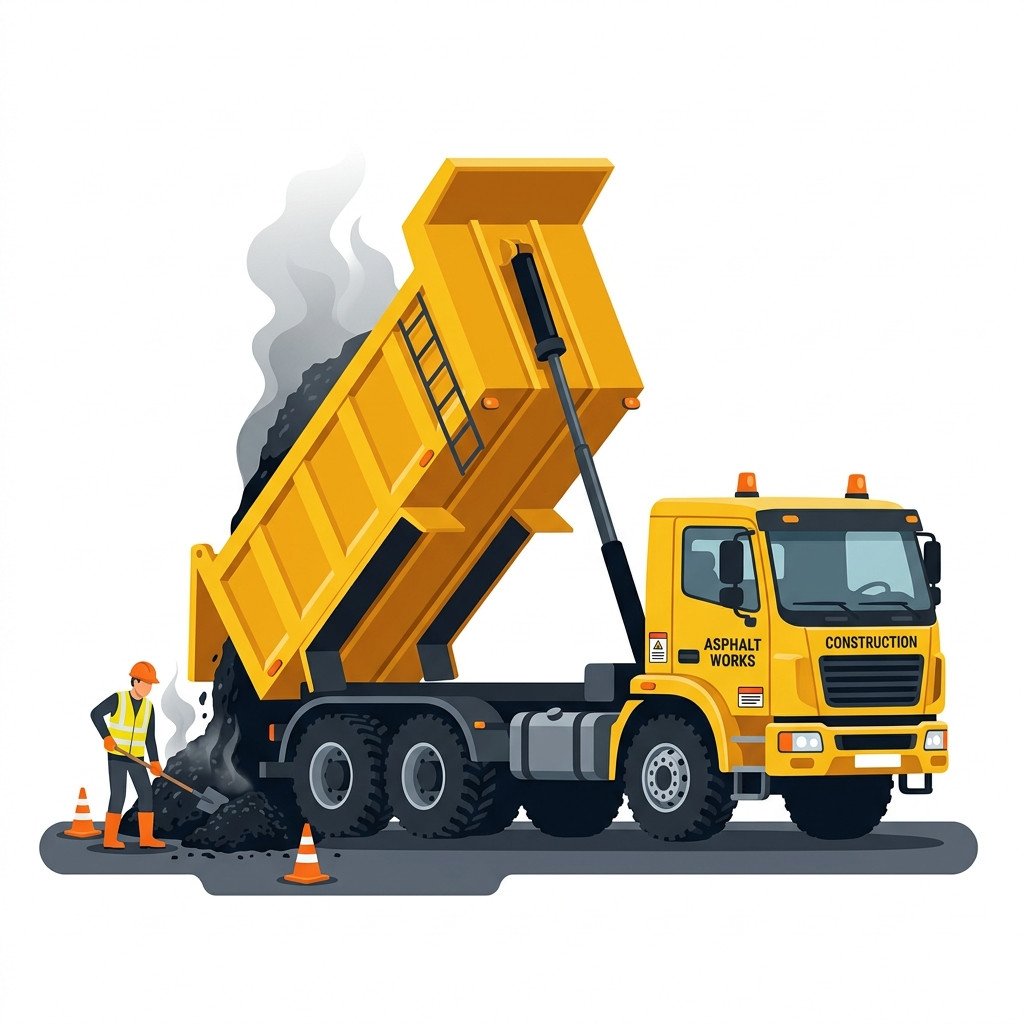
At a 2-inch compacted thickness, 1 ton of hot-mix asphalt covers approximately 80 square feet, making it a common choice for residential driveways.
NOTE: Coverage values are approximate and assume standard hot-mix asphalt with a density of about 145 lbs/ft³. Actual coverage may vary depending on the asphalt mix, compaction, and site conditions.
Asphalt prices vary across the United States due to material availability, labor costs, transportation, climate, and local market conditions. The table below shows estimated 2026 price ranges to help you plan your project budget before requesting contractor quotes.
Relative cost levels across the U.S.
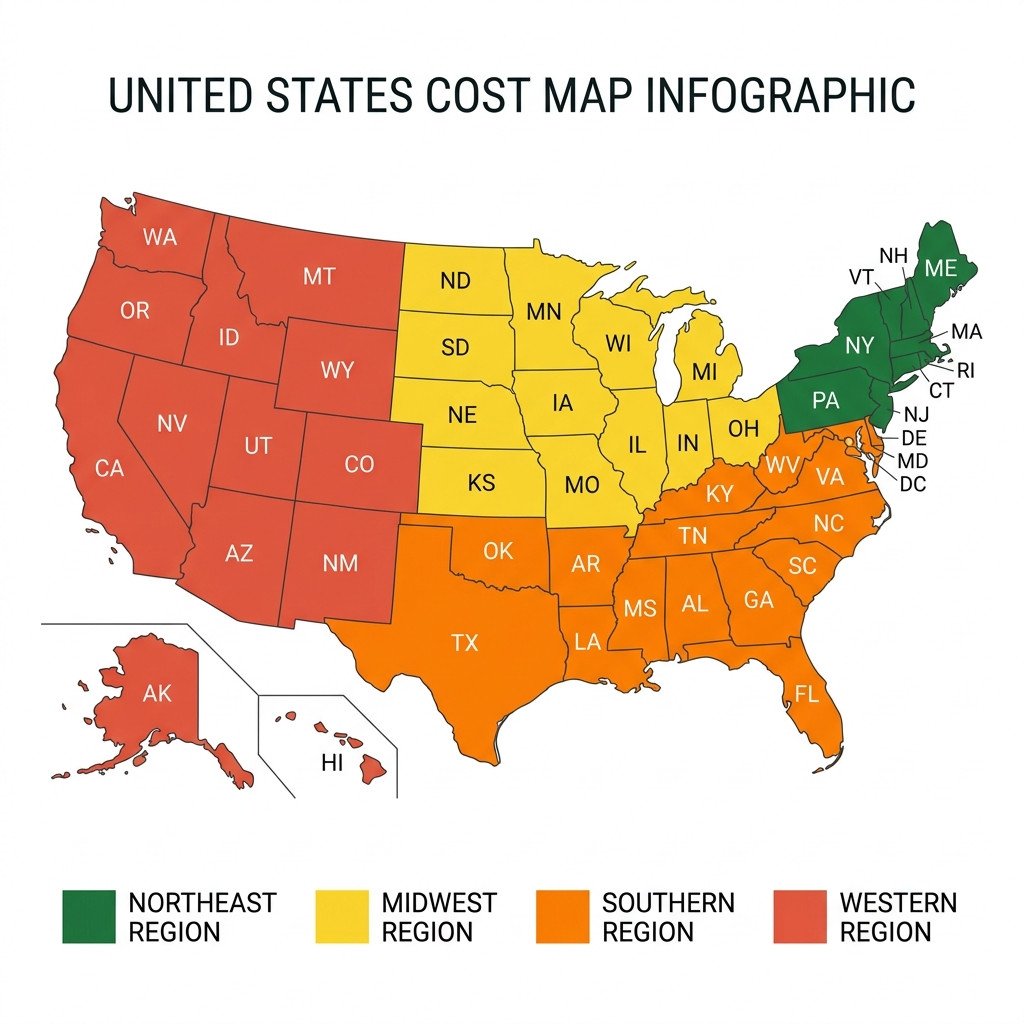
Costs shown represent material price per ton and installed price per square foot ranges for 2026.
| State | Price per Ton (material) |
Price per Sq Ft (installed) |
|---|---|---|
| 🇺🇸 California | $110 – $160 | $7 – $16 |
| 🇺🇸 Texas | $80 – $115 | $4 – $9 |
| 🇺🇸 Florida | $85 – $120 | $4 – $9 |
| 🇺🇸 New York | $110 – $150 | $8 – $14 |
| 🇺🇸 Illinois | $95 – $130 | $6 – $11 |
| 🇺🇸 Pennsylvania | $95 – $135 | $6 – $11 |
| 🇺🇸 Ohio | $90 – $125 | $5 – $10 |
| 🇺🇸 Colorado | $95 – $135 | $6 – $12 |
| 🇺🇸 Washington | $105 – $145 | $8 – $13 |
Asphalt is generally more affordable in the Southeast and parts of Texas, while California and many Northeastern states often have higher prices due to labor costs, transportation, regulations, and shorter paving seasons.
Get the complete state-by-state pricing guide with detailed cost breakdowns.
Here are a few common paving projects to help you estimate how much asphalt you may need. These examples assume a standard 2-inch compacted layer and are intended for planning purposes only.
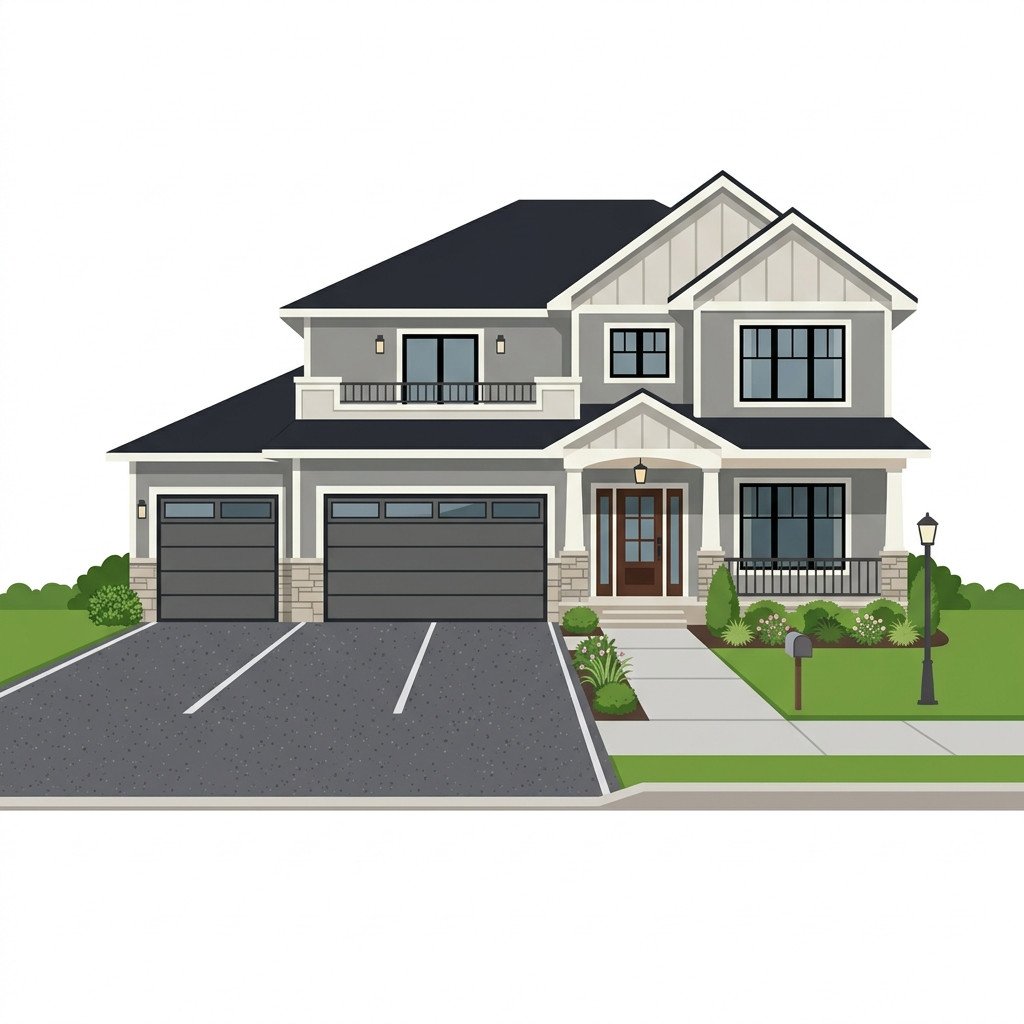
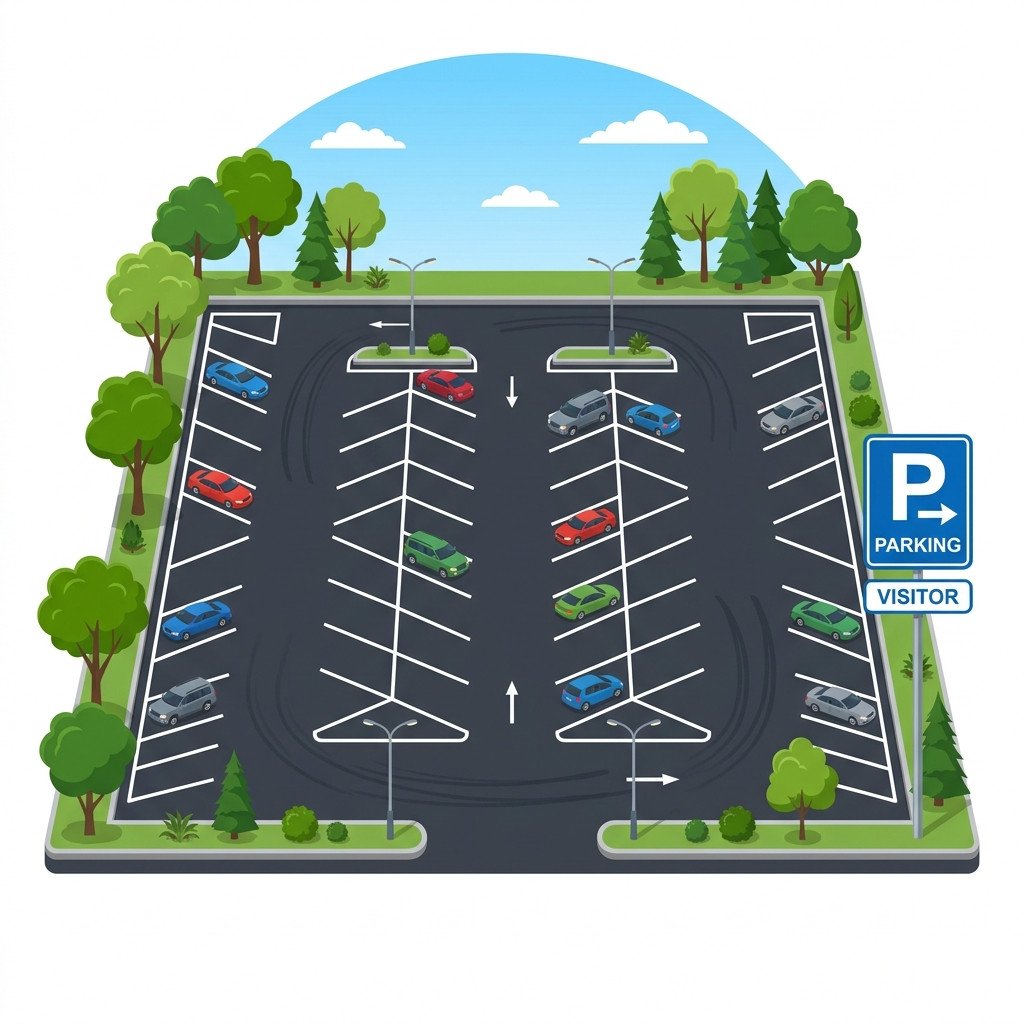
Note: These examples are planning estimates only. Actual asphalt requirements may vary based on thickness, density, compaction, and a recommended 5–15% waste factor.
Use our free calculator to get accurate results in seconds.
Find quick answers to common questions about asphalt calculations, driveway thickness, coverage per ton, and waste factors.
A standard 2-car driveway (roughly 400–600 sq ft) at 2–3 inches thick typically needs 5 to 10 tons of asphalt, before adding a waste factor.
Two inches can work for light passenger-vehicle use with a solid base, but many contractors recommend 3 inches for better long-term durability, especially in freeze-thaw climates.
At a standard 2-inch thickness, one ton of hot-mix asphalt covers roughly 80 square feet. Coverage decreases as thickness increases.
5% for simple, small driveways; 5–8% for typical residential projects; 8–10% for commercial jobs; and 10–15% for complex or irregularly shaped areas.
Need custom calculations or advice for an irregular paving site?
🧮 Use Free CalculatorExplore technical publications, cost benchmarks, and pavement calculation guides written by our site engineering authors.
Stay up to date with professional estimation templates, material selection guides, and industry news.
 GUIDE
GUIDE
Quick answer: Asphalt milling is used to remove a controlled layer of existing asphalt for resurfacing, pavement repairs,...
Read Article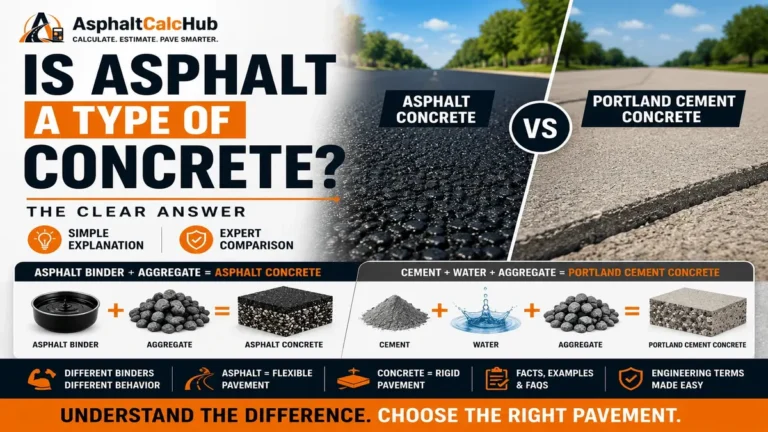 GUIDE
GUIDE
Quick Answer: No. Asphalt is not the same as traditional Portland cement concrete. However, asphalt concrete is a...
Read Article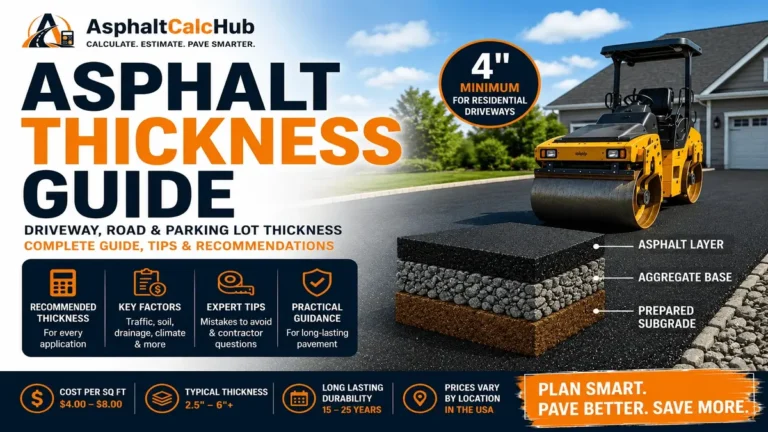 GUIDE
GUIDE
Quick Answer For a full-depth residential driveway, 4 inches of compacted asphalt is a common minimum, while heavier...
Read Article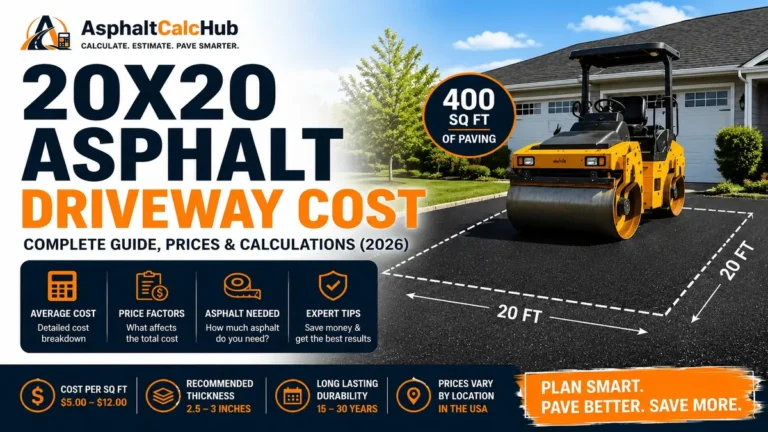 COST
COST
Quick Answer A 20×20 asphalt driveway cost typically ranges from $2,000 to $4,800, with most homeowners paying around...
Read Article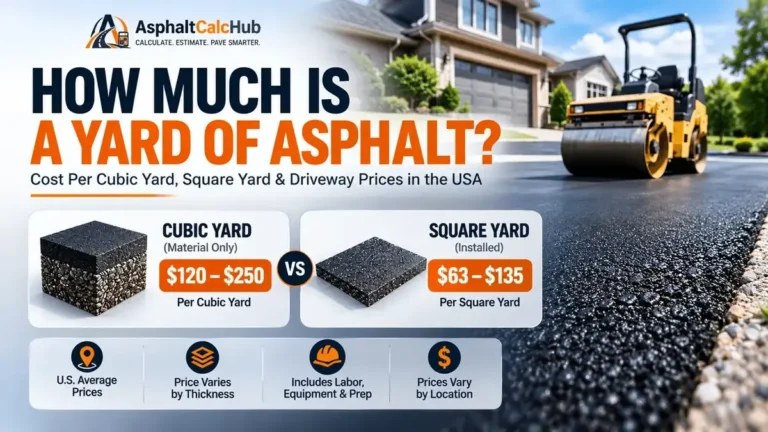 COST
COST
Quick Answer A cubic yard of asphalt typically costs $120–$250, while an installed square yard costs $63–$135. Actual...
Read Article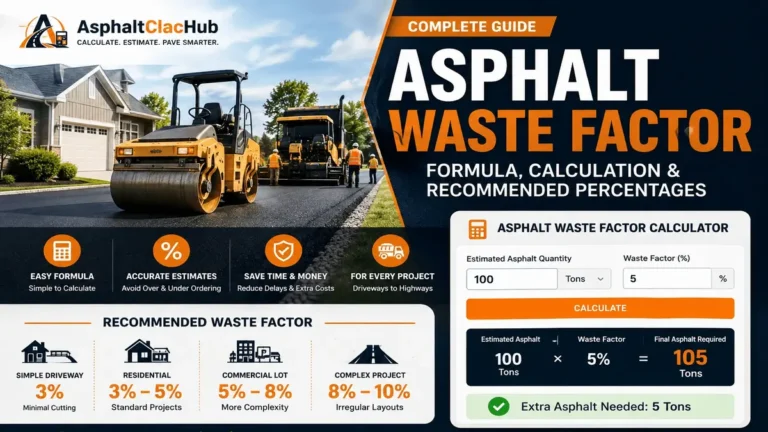 GUIDE
GUIDE
Quick Answer An asphalt waste factor is the extra percentage of asphalt added to an estimate to cover...
Read ArticleSubscribe to our newsletter and get calculation worksheets, pricing updates, and guides sent straight to your inbox.

